Decode how Indian startup funding actually works
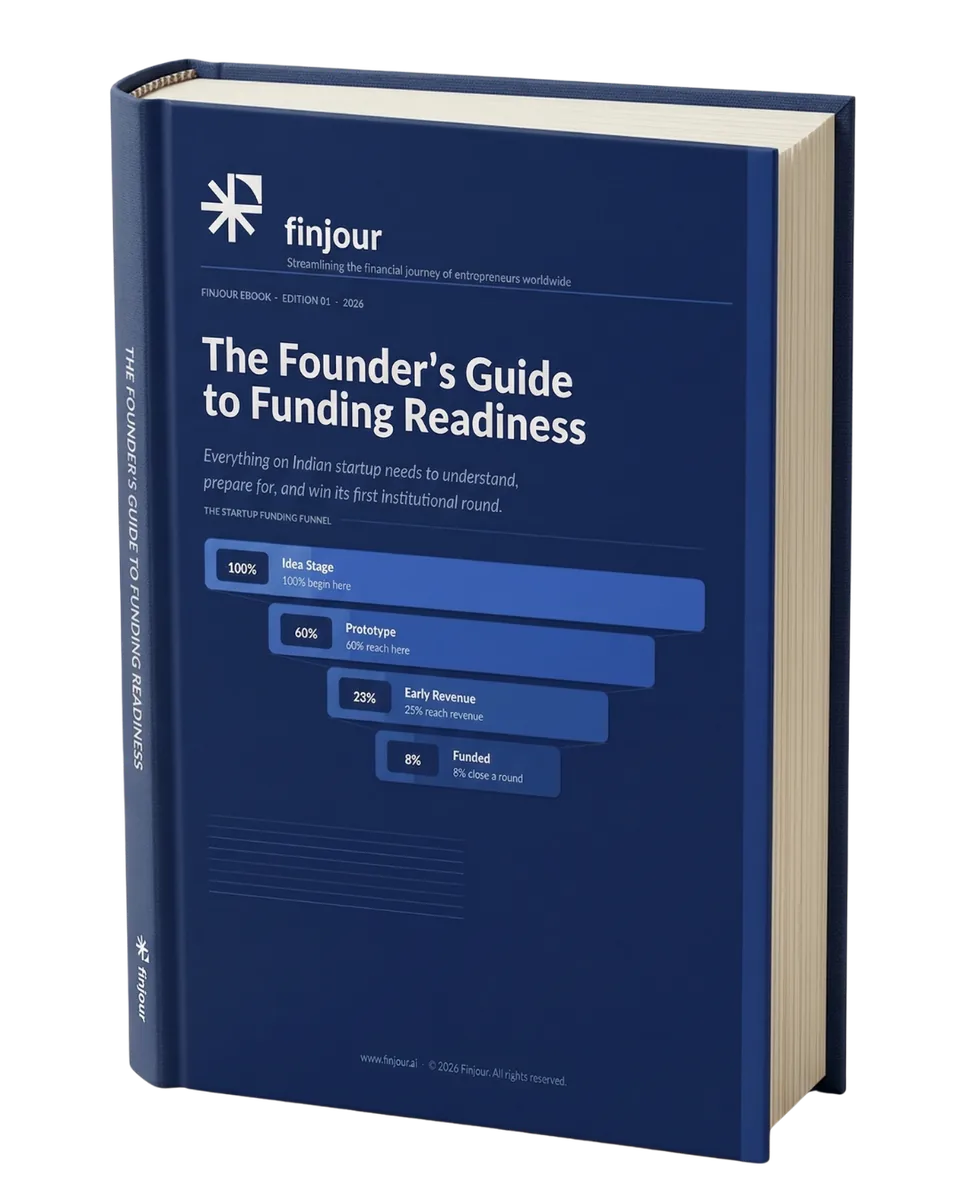
A 54-page reference manual for first-time Indian founders and builders. Understand the players, the language, and the playbook in plain English, so when the time comes to raise, nothing about it surprises you.
From the team behind 500+ Indian startup incorporations since 2015. ₹100 crore+ raised in angel, VC, or debt funding to date.
What You'll Learn

“The document is amazing stuff and an eyeopener for any entrepreneur. While we are familiar with many of these points in theory, this document explores them at a much deeper level. The sections on term sheet negotiations, financials, and due diligence preparation provide the essential context that founders need. After reading this, I feel much better equipped to understand the investor's perspective. This is a reference textbook for any founder looking to raise capital.”
Founder, Nearwala
Take a Sneak Peek
What first-time Indian founders usually don't know yet
Where you are now vs where you'll be after
Same content. Same one weekend of reading. Different relationship with how Indian startup funding works.
Where you are now
Where you'll be after
4.5 / 5(53 reviews)
Rated by founders, professionals and students
“I'd been reading random blog posts about fundraising for months and still felt lost. This was the first thing that made the whole thing make sense end-to-end. The cap table chapter alone cleared up things I'd been confused about for over a year.”

Arjun Mehta
First-time founder · Bangalore
“Planning to start up after college and didn't understand any of how fundraising worked. This gave me the full picture without the jargon. I now actually know what to build before I even think about raising.”

Vikram Raghavan
Final-year student · Chennai
“Bought this to understand my own ESOPs better and ended up learning the whole startup money system. If you're an early employee at a startup, the equity, dilution, and exit chapters explain a lot of things nobody at work ever bothers to.”
Karan Malhotra
Early operator · Gurgaon
“Most of my clients are early-stage founders and I needed one place to send them so they'd stop asking me the same five questions. This is now that place. The Indian context matters a lot, most US fundraising content just doesn't translate.”
Sneha Patel
Advisor · Ahmedabad
“Clear, practical, not too jargon-heavy which was my main worry. The legal readiness checklist flagged three things in our paperwork we'd missed. I do wish the pitch deck section went a bit deeper, but for ₹999 the templates alone are worth it.”
Rohan Desai
First-time founder · Pune
“Even after a few years working with startups I found chapters in this I'd been glossing over. The valuation chapter in particular breaks things down in a way that's hard to find without a finance degree.”
Rahul Krishnan
Operator · Mumbai
Why this guide exists
This guide isn't written by a 'guru.' It's the distilled playbook of the Finjour team, and we've been doing this since 2015.
Over the last 10 years, we've helped incorporate 500+ Indian startups. More than 100 of them have gone on to raise angel, VC, or debt funding, totalling ₹100 crore+ across their first rounds. We've sat on the operator side of the table, the advisor side, and the paperwork side. We've seen what investors actually check, what makes founders stand out, and what quietly kills a deal before it gets to a term sheet.
Most of the founders we've worked with were first-timers, confused about the same things you probably are right now. We wrote this for them. And then for the next ones. This is the reference manual we wish someone had handed every Indian founder before they took their first investor call.
10+
Years operating
since 2015
500+
Indian startups
incorporated
100+
Funded rounds
angel · VC · debt
₹100Cr+
Raised by founders
we've worked with
SectorsSaaS · D2C · fintech · AI/ML · marketplaces · edtech
The Mistakes This Guide Helps You Avoid From Day One
You don't really know what investors are looking for
What investors actually read first, in plain English
You're confused about equity, ownership, and what dilution really means
How company ownership works, explained step-by-step
You don't know how startups are valued, or why
How the same startup can be priced very differently, and why
You'd accept a funding offer without knowing what to question
Every standard clause in a funding agreement, in plain English

54
Pages of Actionable Content
12
Ready-to-Use Templates
40
Item Data Room Checklist
28
Point Legal Checklist
What You'll Walk Away With
12 Ready-to-Use Templates
₹899Cap table model, burn rate calculator, data room checklist, pitch deck framework, term sheet scorecard, and more, every tool you'll eventually need, ready when you're ready.
28-Item Legal Readiness Checklist
₹299The exact checklist Indian investors run before they say yes. Know what you'll need long before you ever start raising.
Valuation Benchmarks by Sector
₹399How startups in your kind of business actually get priced in India. Understand the numbers before someone else tells you what yours are.
Data Room Checklist: 40 Items
₹299The full list of documents investors ask for. Know what's coming so nothing surprises you when the time arrives.
Term Sheet Negotiation Scorecard
₹399Every clause in an investor's offer, evaluated against market standards, so you can tell a fair deal from a one-sided one.
3-Year Financial Projections Template
₹299A structured template that helps you think about your numbers the way an investor will, even before you have any.

9 Chapters of Actionable Content
54 pages of structured, India-specific reference material.
Why approaching investors too early is the most expensive mistake you can make, how the Indian VC network actually works, and the concept of your credibility window, the most valuable asset you have before your first raise.
This guide vs free advice
The complete kit — ₹559
Everything in one download. Pay once, keep forever.
Today, as one bundle
One-time payment. Indian payment methods accepted (UPI, cards, net banking).
- Instant download: PDF + 12 templates
Common Questions
If you're already mid-raise with a term sheet on your desk and need a same-day legal review, you need a lawyer, not this. If you're an experienced founder who's raised before, the templates will save you time but the explanations may be too foundational. This is built for first-time founders, students considering a startup, and early operators who want to understand how Indian startup funding actually works, before they need to.
Stop guessing about how Indian startup funding works
Whether you're sitting on an idea, building your first startup, or trying to make sense of how Indian founders actually raise, this is the playbook nobody handed you. Start with the literacy, before you need it.